
Is Fluoride Treatment Safe for Kids? What You Should Know
Quick Answer
Is fluoride safe for kids?
Yes, fluoride is considered safe for children when used in appropriate amounts. It strengthens enamel and helps prevent tooth decay. Dental professionals often recommend its use, particularly for children at higher risk of developing cavities.
Key Takeaway
- Fluoride strengthens enamel and supports oral health
- Safe when used within recommended levels
- Helps prevent cavities in developing teeth
- Found in toothpaste, water supply, and professional care
- Especially beneficial for high-risk children
- Supports long-term dental health outcomes
Fluoride treatments are a common part of preventive dental care for children, but many parents still wonder if they are safe. Fluoride has long been used in both clinical and community settings to help strengthen teeth and reduce the risk of cavities.
Understanding how fluoride works and its safety profile can help parents make informed decisions. When used correctly, it plays a key role in protecting children’s oral health.

What Is Fluoride and How Does It Work?
Fluoride is a naturally occurring mineral that helps strengthen tooth enamel. It works by enhancing the enamel’s resistance to acid attacks caused by bacteria in the mouth.
This process reduces the likelihood of cavities and supports overall dental health. Fluoride is commonly present in toothpaste, professional applications, and in drinking water in many communities.
Is Fluoride Safe for Children?
Fluoride is widely recognized as safe for children when used according to recommended guidelines. Dental and medical organizations, including the American Academy of Pediatrics, support its use in preventive dental care.
The key factor is maintaining the correct level of fluoride exposure. When used appropriately, it offers significant benefits without posing health risks.

How Fluoride Is Used in Dental Care
Fluoride can be delivered through both daily oral care and professional applications. These methods help protect teeth at different stages of development.
Common sources include:
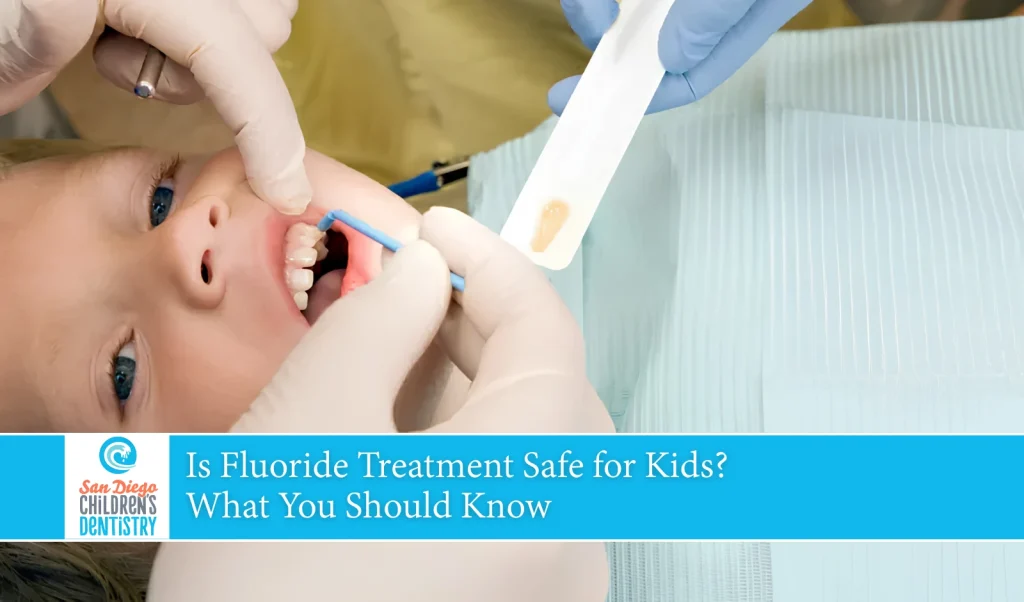
- Fluoride varnish applied during a dental visit
- Fluoridated toothpaste used at home
- Fluoride supplements for children who need additional support
Topical fluoride works directly on the tooth surface to strengthen enamel.
Recommended Amount of Fluoride for Kids
Using the correct amount of fluoride is essential for both safety and effectiveness. Dental professionals provide guidance based on a child’s age and needs.
General recommendations include:
- A pea-sized amount of toothpaste for older children
- A very small amount for younger children
- Supervision during brushing to avoid swallowing
Following these guidelines helps ensure proper use.
Benefits of Fluoride for Children
Fluoride offers several well-established benefits for children’s dental health. It is particularly useful during early development when teeth are more vulnerable.
Key benefits include:
- Helping prevent tooth decay
- Strengthening children’s teeth
- Reducing the risk of developing cavities
- Supporting long-term oral health
These benefits make fluoride an important part of modern dental care.
Who May Benefit Most from Fluoride?
Some children may benefit more from fluoride than others. This often depends on their individual risk factors.
Children at high risk may include those who:
- Have a history of cavities
- Have limited exposure to fluoride in the water supply
- Have inconsistent oral hygiene habits
In such cases, a dentist may recommend that they receive fluoride treatments as part of their care plan.
Fluoride and Public Health
Fluoride plays a significant role in public health by reducing the overall rate of tooth decay. Many communities include fluoride in drinking water to support dental health at a population level.
The level of fluoride in public water systems is carefully regulated to ensure safety while maximizing dental benefits.

Are There Any Risks?
Fluoride is safe when used correctly, but excessive intake over time may lead to mild changes in tooth appearance.
To reduce potential risks:
- Use the recommended amount of toothpaste
- Supervise brushing in young children
- Follow professional guidance
These precautions help maintain a safe balance.
Final Thoughts
Understanding whether fluoride is safe for kids helps parents make informed decisions about their child’s dental care. When used appropriately, fluoride is both safe and effective in preventing tooth decay.
With proper guidance and consistent oral hygiene habits, families can support strong, healthy smiles as their children grow.
Protect Your Child’s Healthy Smile
Preventive dental care is key to protecting your child’s teeth and building strong oral health habits early. Treatments like fluoride can play an important role in keeping teeth strong and reducing the risk of cavities.
At San Diego Children’s Dentistry, we provide gentle, child-focused care in a comfortable and welcoming environment. Call (619) 670-5571 today to schedule an appointment and learn more about safe, effective dental care for your child.
Frequently Asked Questions
Why is dental health important for my child’s baby teeth?
Helping your child feel comfortable with oral hygiene and confident visiting a pediatric dentist is key to lifelong oral health. While parents support daily care, choosing the right pediatric dentist plays an important role in building healthy habits early.
At San Diego Children’s Dentistry, Dr. Chan and our team combine gentle care with education. We focus on teaching good oral hygiene habits while creating a calm, positive dental experience that helps children feel relaxed and confident at every visit.
Here is what you can expect when you choose our pediatric dental team.
Is fluoride treatment safe for kids?
Yes, it is safe when used within recommended levels.
How does fluoride protect teeth?
It strengthens enamel and helps prevent cavities.
What is fluoride varnish?
It is a topical coating applied to teeth to protect against decay.
Can children use fluoride toothpaste daily?
Yes, with the correct amount based on age.
What happens if a child uses too much fluoride?
It may cause mild cosmetic changes to teeth over time.
Do all children need fluoride treatments?
Not all, but those at higher risk may benefit.