
What Causes Cavities in Kids? Early Signs to Watch

Quick Answer
What causes cavities in kids?
Cavities in kids happen when bacteria in the mouth break down food particles and produce acids that damage tooth enamel. Poor brushing habits, sugary drinks, and leftover food on teeth can increase the risk. Over time, this can lead to dental caries, which may affect both baby teeth and permanent teeth.
Key Takeaway
- Cavities form when bacteria produce acids that damage tooth enamel
- Sugary drinks and leftover food particles increase the risk
- Poor brushing and flossing habits can lead to cavities in children
- Early signs may include white spots on teeth
- Preventing cavities includes good dental care and regular visits
- Pediatric dentists can help protect children’s teeth
Noticing changes in your child’s teeth can raise questions about what causes cavities in kids. While cavities are common, understanding the cause can help you take steps to prevent them.
If left untreated, cavities can affect both baby teeth and adult teeth. With the right daily habits and dental care, parents can help protect their child’s smile.

How Cavities Form in a Child’s Mouth
Cavities develop when bacteria in a child’s mouth feed on food particles left on the teeth. These bacteria produce acids that weaken tooth enamel over time.
When enamel breaks down, small holes may form in the teeth. This condition is known as dental caries. If not treated, cavities can grow larger and lead to more serious dental problems.

Common Causes of Cavities in Children
Several factors can increase the risk of cavities in children. Understanding these causes can help parents take steps toward preventing cavities.
Common causes include:
- Poor brushing and flossing habits
- Frequent sugary drinks or snacks
- Food particles left on teeth
- Lack of regular dental care
- Weak or developing tooth enamel
These factors can make it easier for bacteria to grow and damage the teeth.
Why Baby Teeth Are Still at Risk
Some parents may think cavities in kids’ baby teeth are not serious because these teeth will eventually fall out. However, baby teeth play an important role in a child’s development.
Healthy baby teeth help with chewing, speaking, and guiding permanent teeth into place. Untreated cavities can cause pain, infection, and may affect how adult teeth develop. Taking care of baby teeth is an important part of overall oral health.
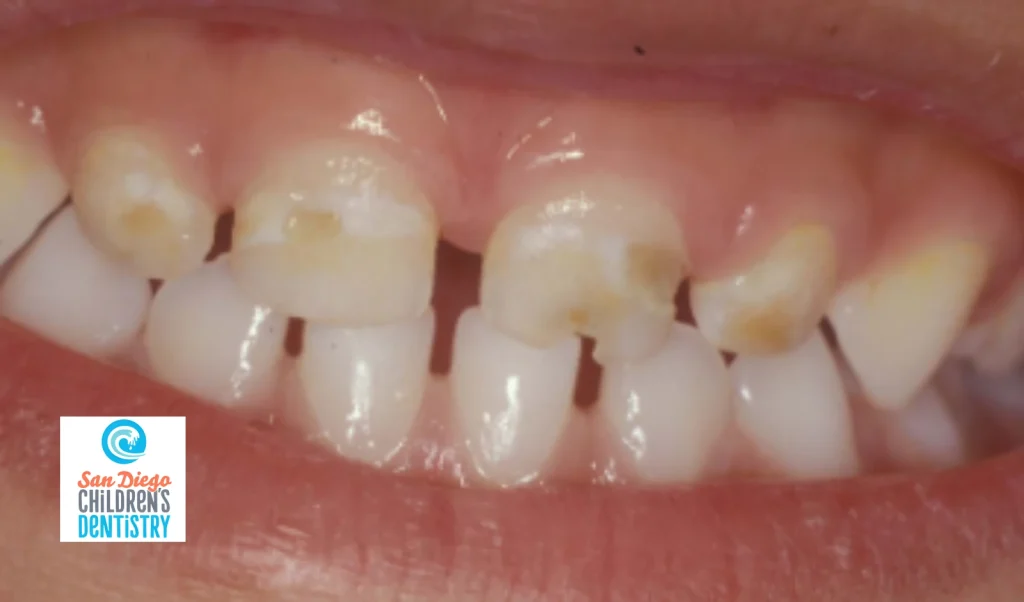
Early Signs of Cavities in Kids' Teeth
Cavities do not always cause pain at first, which is why early detection is important. Parents should watch for changes in their child’s teeth.
Signs of cavities may include:
- White spots on the teeth
- Dark spots or holes in the tooth
- Sensitivity to hot or cold foods
- Complaints of tooth pain
If you notice these signs, it is important to visit a pediatric dentist for evaluation.

How to Help Prevent Cavities in Kids
The good news is that cavities in children can often be prevented with the right habits. Daily care and regular dental visits play a key role in protecting teeth.
Parents can help by:
- Encouraging brushing and flossing twice daily
- Limiting sugary drinks and snacks
- Promoting healthy eating habits
- Scheduling regular dental visits
- Asking about fluoride treatments or dental sealants
These steps help protect tooth enamel and reduce the risk of cavities.
The Role of Professional Dental Care
Regular visits to a pediatric dentist are important for maintaining dental health. Dentists can detect early signs of cavities and provide preventive care.
During visits, the dentist may:
- Check for cavities in kids’ teeth
- Provide fluoride treatments to strengthen enamel
- Apply dental sealants for added protection
- Offer guidance on brushing habits
Professional dental care supports healthy teeth and helps prevent future dental problems.
Why Early Treatment Matters
If cavities are not treated early, they can become more serious over time. Untreated cavities may lead to pain, infection, and difficulty eating.
Early treatment helps protect children’s teeth and prevents the need for more complex procedures later. Addressing dental issues early supports long-term oral health.
Final Thoughts
Understanding what causes cavities in kids can help parents take the right steps to protect their child’s teeth. Cavities form from bacteria, food particles, and poor oral hygiene, but they can often be prevented.
With good daily habits and regular dental care, families can help children maintain healthy teeth and avoid dental problems.
Protect Your Child’s Smile Early
Taking steps toward preventing cavities helps support your child’s oral health and overall well-being. Good dental habits and regular checkups can make a lasting difference.
At San Diego Children’s Dentistry, our team provides gentle and supportive pediatric dental care. Call (619) 670-5571 to schedule an appointment and learn more about protecting your child’s teeth.
Frequently Asked Questions
Why is dental health important for my child’s baby teeth?
Helping your child feel comfortable with oral hygiene and confident visiting a pediatric dentist is key to lifelong oral health. While parents support daily care, choosing the right pediatric dentist plays an important role in building healthy habits early.
At San Diego Children’s Dentistry, Dr. Chan and our team combine gentle care with education. We focus on teaching good oral hygiene habits while creating a calm, positive dental experience that helps children feel relaxed and confident at every visit.
Here is what you can expect when you choose our pediatric dental team.
What causes cavities in kids?
Cavities are caused by bacteria that produce acids from food particles, which damage tooth enamel.
Are cavities common in children?
Yes. Cavities in children are common, especially if oral hygiene habits are not consistent.
Can baby teeth get cavities?
Yes. Cavities in kids’ baby teeth can occur and should be treated to protect oral health.
What are the early signs of cavities?
Early signs include white spots, discoloration, and sensitivity in the teeth.
How can I prevent cavities in my child?
Encourage brushing and flossing, limit sugary foods, and schedule regular dental visits.
What happens if cavities are untreated?
Untreated cavities can lead to pain, infection, and damage to teeth.
Do sugary drinks cause cavities?
Yes. Sugary drinks can increase the risk of cavities by feeding bacteria in the mouth.