
Quick Answer
What happens during a child’s dental exam?
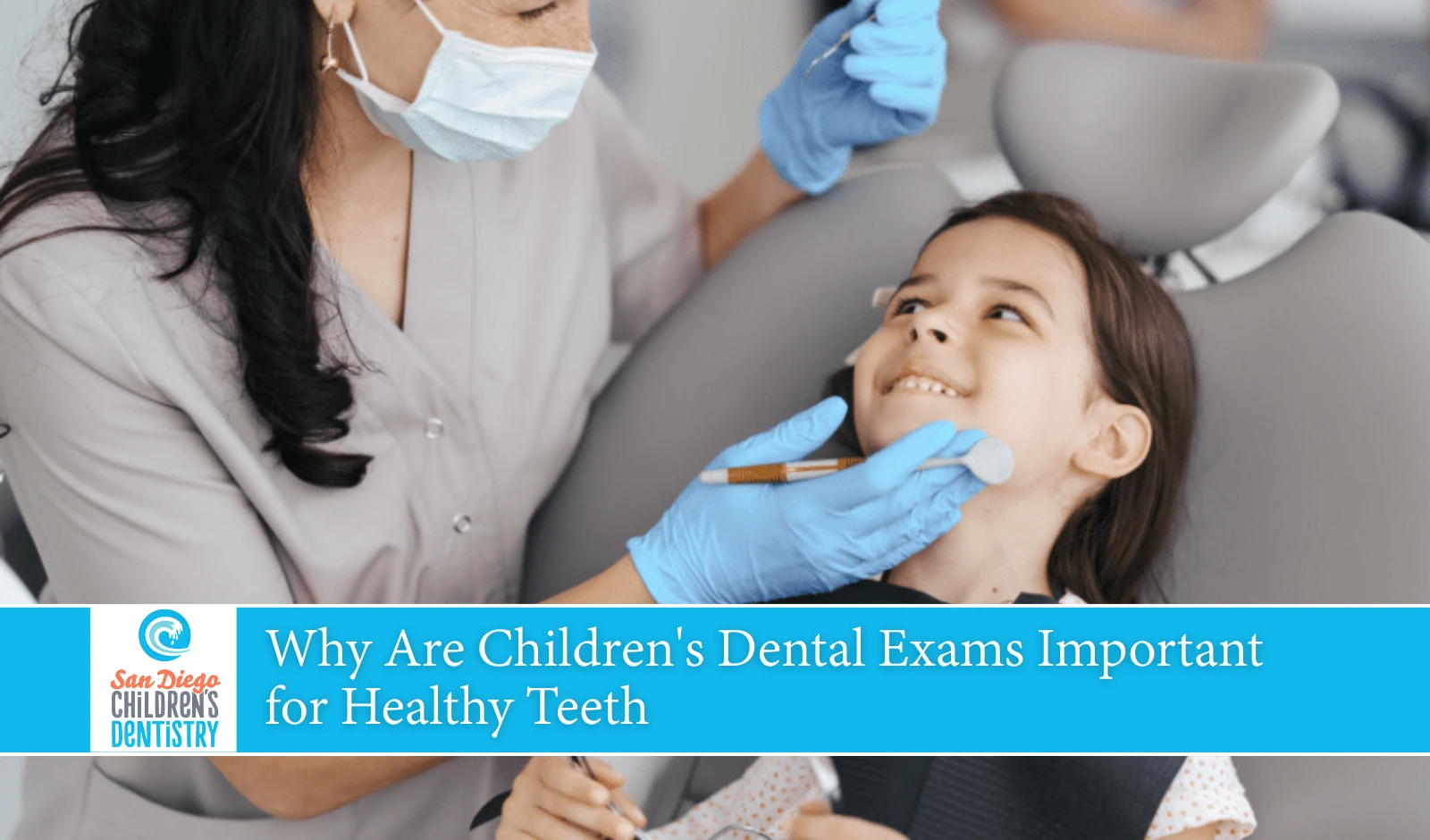
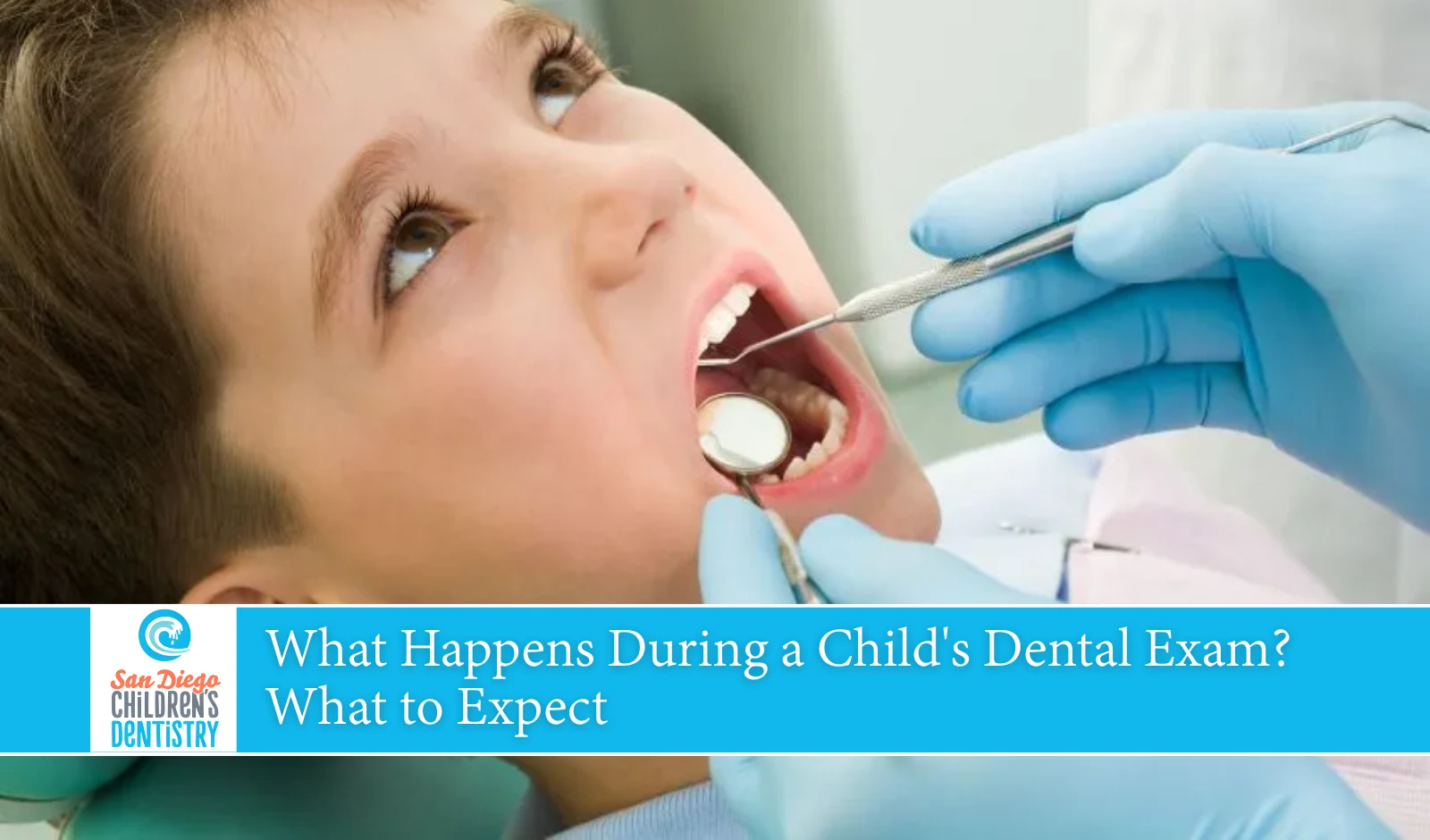
During a child’s dental exam, the dental team checks the teeth, gums, and mouth to make sure everything is healthy. The dentist may look for signs of tooth decay, monitor dental development, and offer preventive treatments like fluoride treatment. The visit may also include removing plaque and tartar, reviewing oral hygiene habits, and answering any questions parents or children may have.
Key Takeaway
- A child’s dental exam checks teeth, gums, and overall dental health
- Pediatric dentists use gentle methods and special tools designed for children
- The dental hygienist may clean teeth by removing plaque and tartar
- The dentist looks for signs of tooth decay, cavities, and gum disease
- Fluoride treatment may be recommended to strengthen teeth
- The dental team may review oral hygiene habits with parents and children
- Regular exams support good oral health and healthy smiles
Many parents wonder what happens during a child’s dental exam, especially during their child’s first dental visit. Understanding what to expect can help both parents and children feel more comfortable.
These exams are an important part of dental care because they allow the dentist and dental hygienist to monitor oral development and help prevent future problems. Early visits also help children become familiar with the dental office while supporting positive dental health experiences.
Welcoming Your Child to the Dental Office
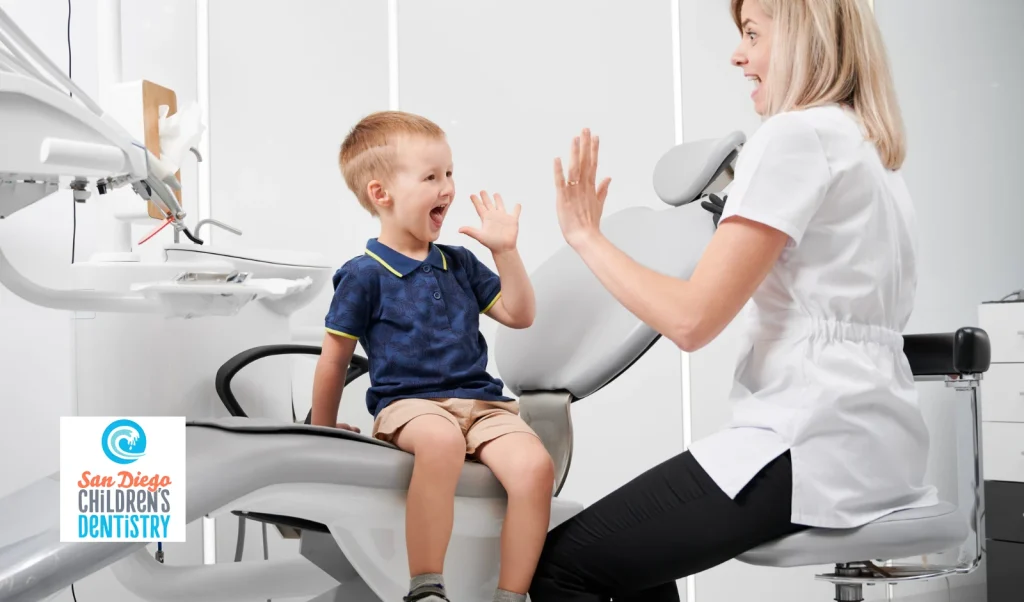
A child’s dental appointment usually begins with a warm welcome from the dental team. Pediatric dentists and staff are trained to help children feel comfortable during their dental visit.
Many dental offices create a friendly environment to make the experience less intimidating. Parents may also be asked about their child’s dental history, diet, and brushing habits before the exam begins.
Checking Teeth, Gums, and Oral Development
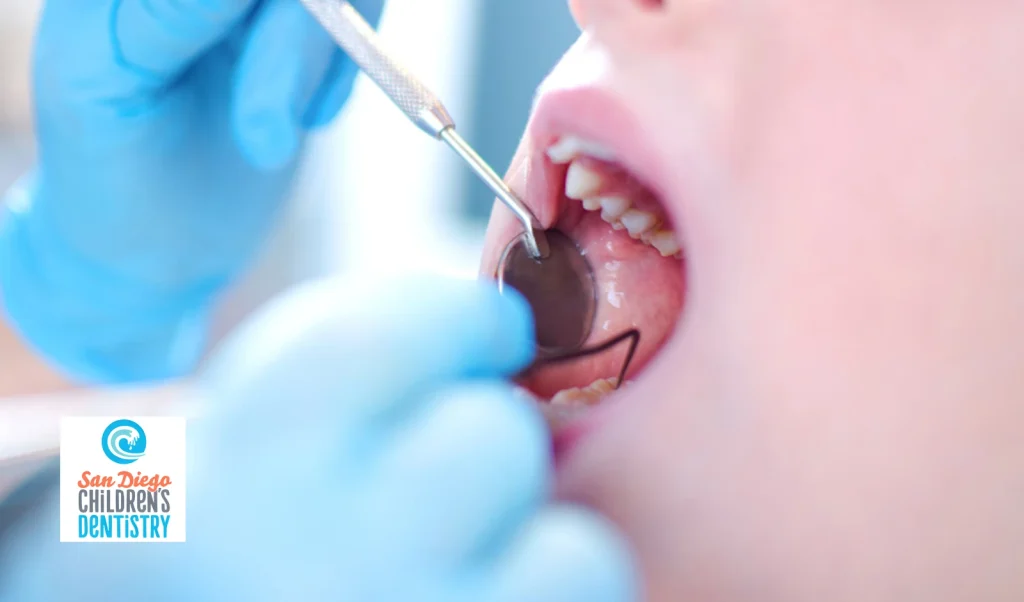
The dentist will carefully examine the child’s teeth, gums, and jaw. This step helps identify early signs of tooth decay or other concerns that may affect dental health.
During this part of the exam, the dentist may:
- Check for cavities and gum disease
- Look for early signs of tooth decay
- Examine how teeth are growing and developing
- Evaluate bite alignment and jaw growth
- Check the gums and soft tissues of the mouth
This gentle evaluation helps ensure the child’s mouth is developing properly and supports good oral health as they grow.
Related: What Causes Tooth Decay in Infants? A Parent’s Guide
Dental Cleaning and Plaque Removal
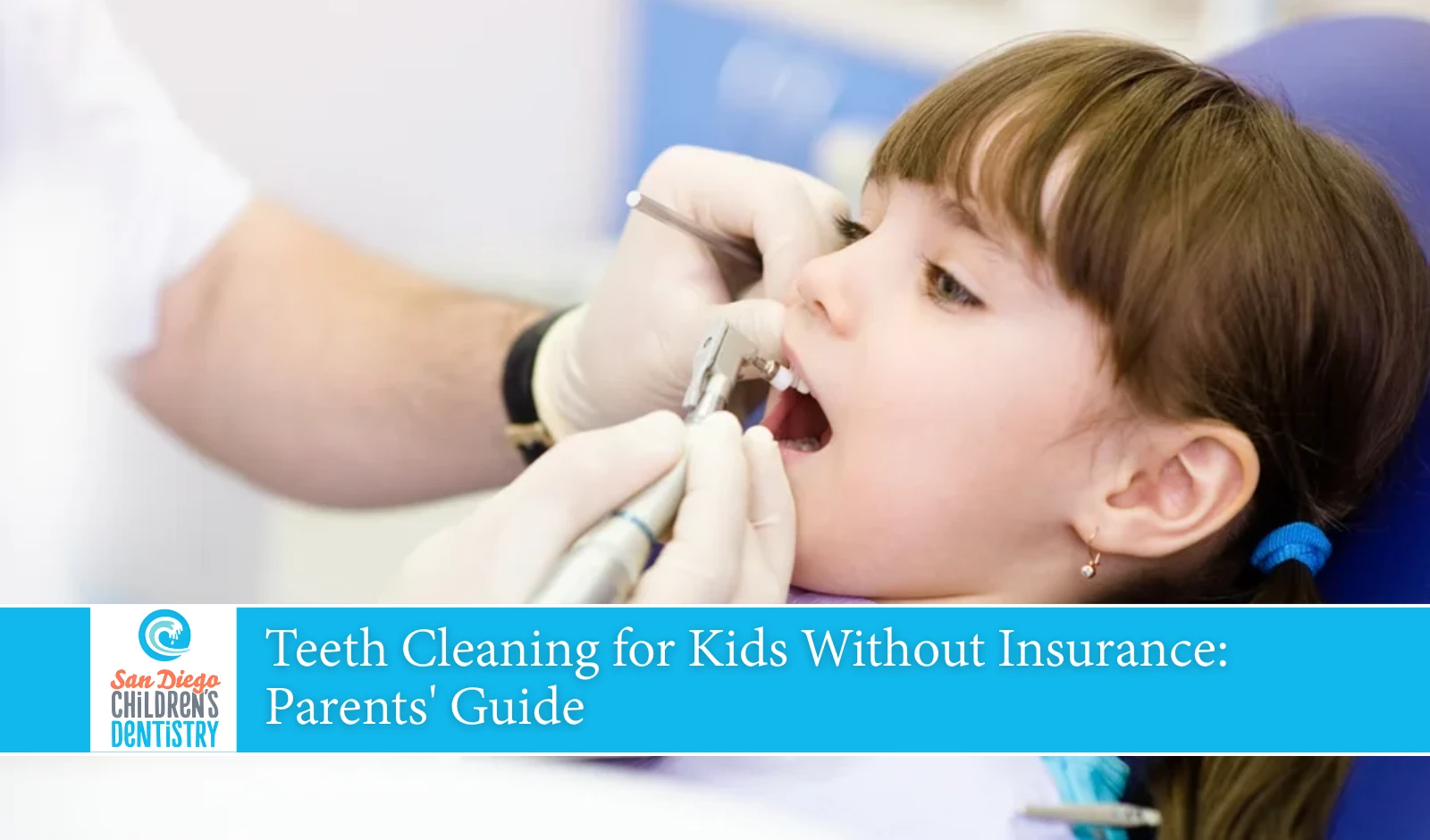
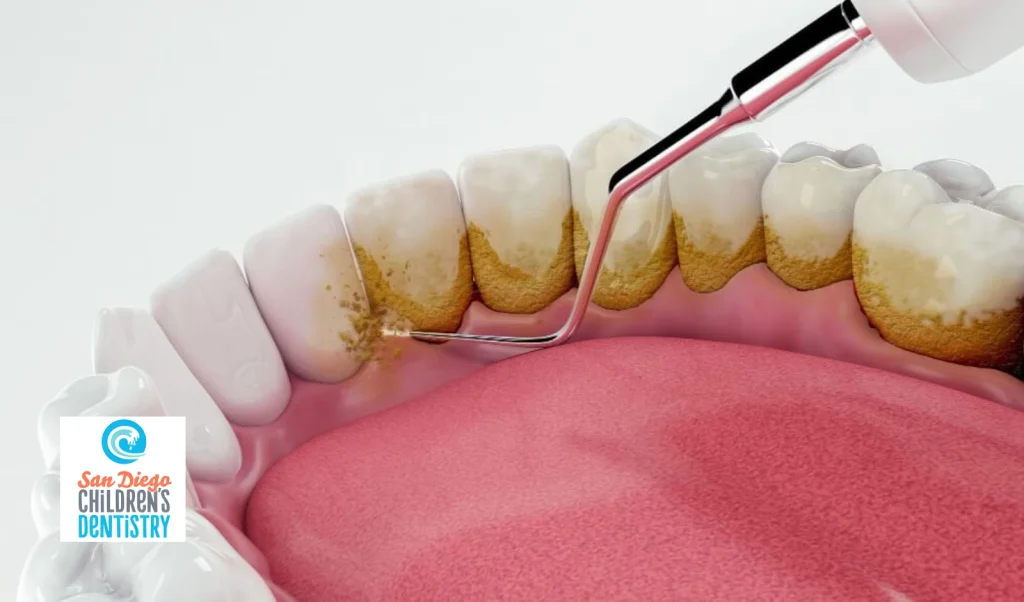
In many cases, the dental hygienist will clean the child’s teeth during the visit. Professional cleanings help remove buildup that regular brushing may miss.
The cleaning process may include:
- Removing plaque and tartar from teeth
- Polishing teeth using special tools
- Rinsing the mouth to remove debris
These steps support oral hygiene habits and help protect teeth from future problems. Cleanings also help children learn the importance of regular dental care.
Related: When Do Kids Get Their First Teeth Cleaning? Simple Guide
Fluoride Treatment for Protection
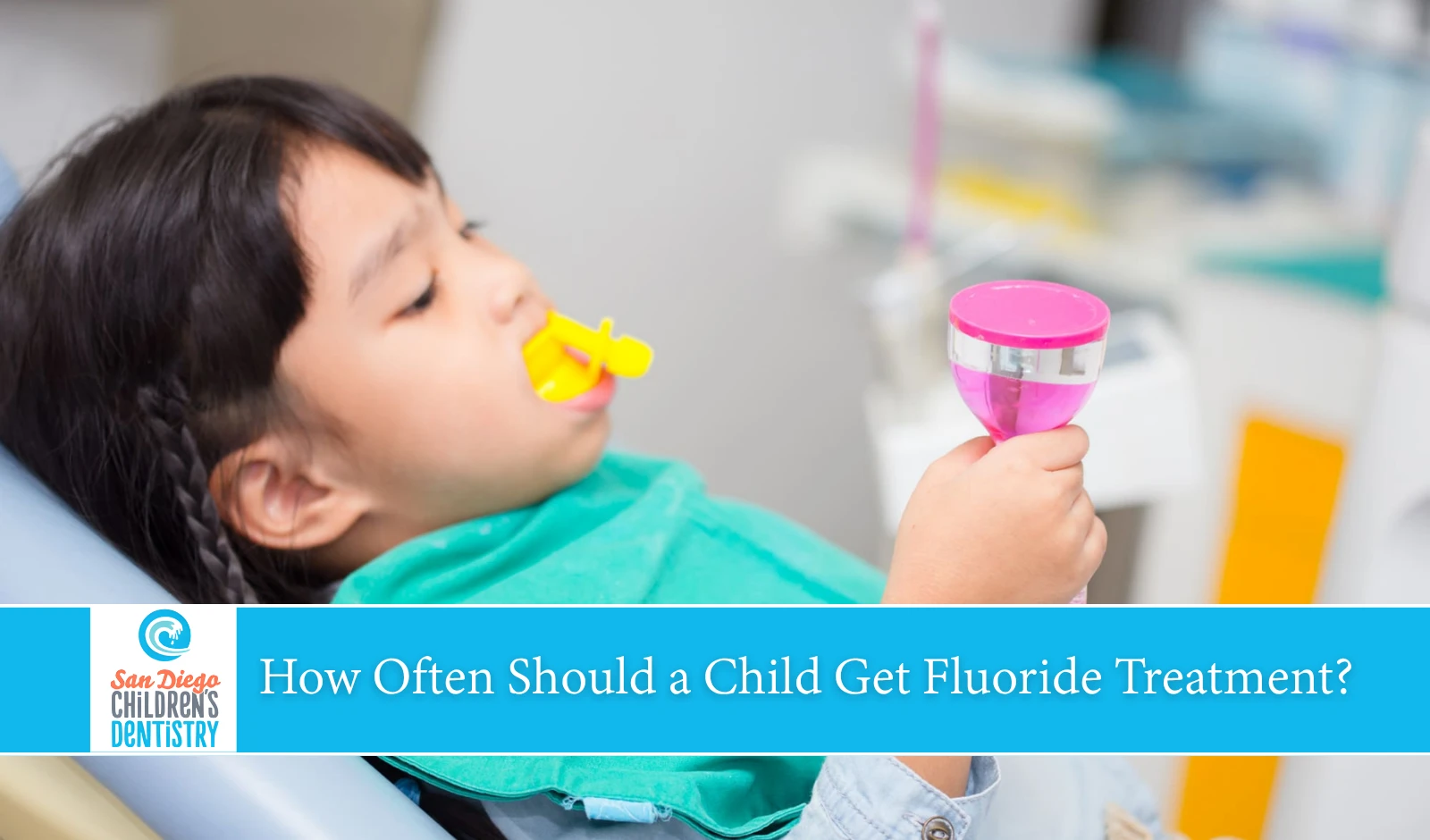
Many pediatric dentists recommend fluoride treatment after the exam and cleaning because it helps strengthen tooth enamel and protect against tooth decay.
The treatment is quick and painless. A fluoride gel, foam, or varnish is applied to the teeth to provide extra protection for developing teeth and support dental health.
Related: Are Fluoride Treatments Necessary for Kids’ Dental Health?
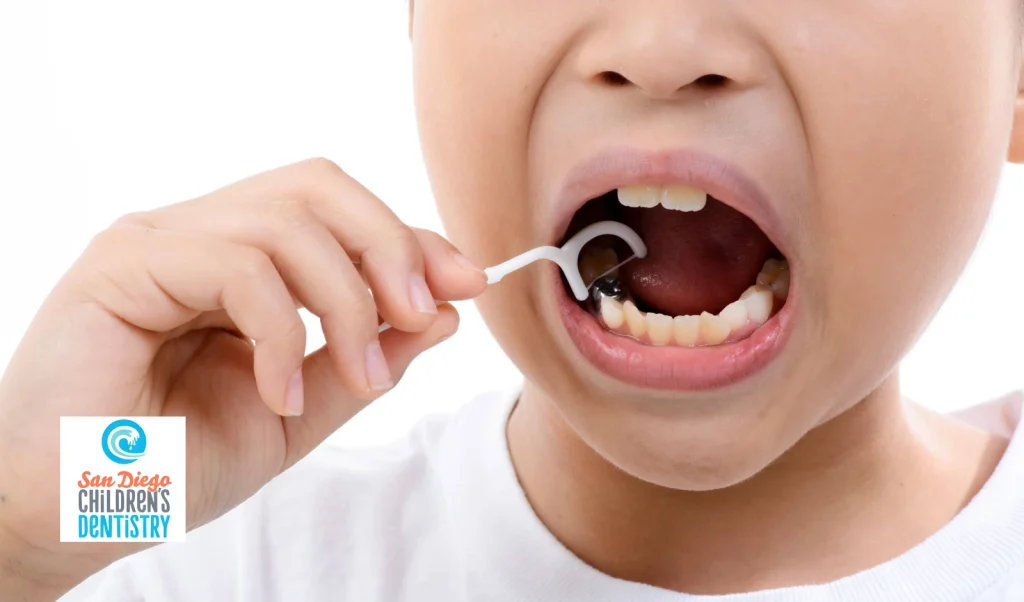
Teaching Healthy Oral Hygiene Habits
A child’s dental appointment is also an opportunity for education. The dentist or dental hygienist may talk with children and parents about proper oral hygiene habits.
They may discuss:
- How to brush and floss properly
- Foods that support good oral health
- How to prevent tooth decay
- The importance of regular dental care
Learning these habits early helps children build routines that support healthy smiles for many years.
Using Child-Friendly Dental Tools
Pediatric dentists use special tools designed for smaller mouths, allowing exams to be performed safely and comfortably.
The dental team may explain each step before using the instruments to help children feel more confident and relaxed during the dental visit.
Answering Questions from Parents and Children
Parents often have questions during their child’s dental exam, such as concerns about teething, thumb sucking, or brushing routines. The dentist can provide guidance and answer any questions during the visit.
Children may also be encouraged to ask questions. Open communication with the dental team helps support better oral care and long-term dental health.
Final Thoughts
Understanding what happens during a child’s dental exam helps parents feel more prepared and helps children feel more comfortable during a dental visit. These checkups allow pediatric dentists to monitor dental development, look for tooth decay, and support good oral health.
Regular dental care and strong oral hygiene habits at home can help protect children’s teeth as they grow. With routine visits and proper oral care, families can support healthy smiles for years to come.
Schedule Your Child’s Dental Visit Today
If your child is due for a dental checkup, scheduling a visit can help support long-term dental health. Early exams allow dentists to monitor development, prevent tooth decay, and encourage healthy oral care routines.
The team at San Diego Children’s Dentistry focuses on creating a comfortable and stress-free experience for every child. Call (619) 670-5571 to schedule an appointment and learn more about child-friendly dental care.
Related: Benefits of Regular Dental Exams for Kids’ Healthy Smiles
Frequently Asked Questions
Why is dental health important for my child’s baby teeth?
Helping your child feel comfortable with oral hygiene and confident visiting a pediatric dentist is key to lifelong oral health. While parents support daily care, choosing the right pediatric dentist plays an important role in building healthy habits early.
At San Diego Children’s Dentistry, Dr. Chan and our team combine gentle care with education. We focus on teaching good oral hygiene habits while creating a calm, positive dental experience that helps children feel relaxed and confident at every visit.
Here is what you can expect when you choose our pediatric dental team.
What happens at the first dental exam?
A first dental exam usually includes checking the child’s teeth, gums, and oral development. The dentist may also discuss oral hygiene habits and guide on maintaining dental health.
At what age should a child have their first dental visit?
Many pediatric dentists recommend a child’s first dental visit by their first birthday or when the first tooth appears.
Will my child get a dental cleaning during the exam?
In many cases, the dental hygienist may clean the child’s teeth by removing plaque and tartar to support good oral health.
Is fluoride treatment safe for children?
Fluoride treatment is commonly used in pediatric dentistry to strengthen teeth and help prevent tooth decay.
How long does a child’s dental exam take?
A typical child’s dental exam may take about 30 to 45 minutes, depending on the child’s needs and comfort level.
How can I prepare my child for a dental visit?
Parents can talk positively about dental care and explain that the dentist helps keep teeth strong and healthy.